Posts

Showing posts with the label moreton bay

FOSI Newsletter, Issue #76, April 2017
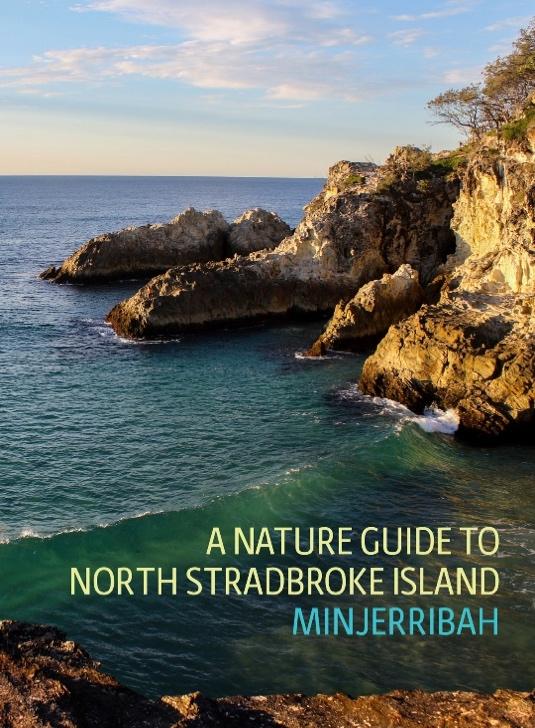
Image
Friends of Stradbroke Island Issue #76 - April 2017 In this issue  Minjerribah's Wild Places Rehabilitation Obligations Not Being Enforced By State Government Island Conservation Cyclone Side-effects 2017 Glossy Black-Cockatoo Survey Bus Shelter Poetry Nature Notes Have you considered making a donation to support FOSI’s work?  Minjerribah's Wild Places A Nature Guide to North Stradbroke Island, Minjerribah. Book review by Julie Kearney Affectionately known to many as Straddie or Minjerribah, North Stradbroke Island has been a favourite holiday destination for south-east Queenslanders since it first began attracting boating parties to its shores in the nineteenth century. Millenia before this it was regularly visited by Indigenous mainlanders for similar purposes, as well as ritual business with the Quandamooka people. Now, hot off the press in 2017 we have A Nature Guide to North Stradbroke Island, Minjerribah , the first-ever compre...

Big picture protection

Image
There are numerous threats to waders in Australia and in other countries of the flyway. In many parts of South-east Asia the birds are hunted and there is widespread habitat loss through coastal reclamation and industrial development, especially in China and South Korea. In Queensland, there is inadequate protection of roost and feeding sites and threats from pollution. The elusive Beach Stone Curlew photographed on Frenchman’s Beach  Australia is a signatory to international treaties aimed at protecting migratory waders including the Ramsar Convention (Convention on Wetlands of International Importance especially as Waterfowl Habitat) which promotes wetland conservation, and the Bonn Convention (Convention on the Conservation of Migratory Species of Wild Animals) which provides a multinational framework for the conservation of migratory species. In the East Asian-Australasian flyway, 15 of the 22 countries in the flyway have signed the Ramsar Convention.  Australia al...

Foreign Feathered Friends

Image
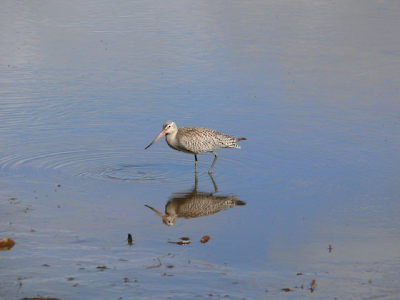
It seems that the plight of immigrants and how Australia should welcome - or reject - them has dominated the news for months lately. While all this has been going on North Stradbroke Island has been quietly providing a temporary home to thousands of undocumented and hungry arrivals. Beginning in early September, Amity Point, 18 Mile Swamp and other wetlands across Straddie and throughout Moreton Bay have been providing a temporary refuge to thousands of migratory shorebirds. Shorebirds, also known as waders, are a diverse group of birds commonly seen feeding in intertidal areas or on the fringes of freshwater wetlands. They generally have long legs in relation to their body size, no webbing on their feet and they do not swim. But they can certainly fly! Bar Tailed Godwit on Home Beach. Most of the migrants spend the months of June and July on their breeding grounds in the northern parts of Siberia, Alaska, China and Mongolia. They breed in areas where melting snow brings mass...

January floods and bay health

The January floods have sparked serious concern over the impact of sediment plume on seagrasses, turtles and dugongs in Moreton Bay. With the Port of Brisbane reporting an additional 1 million m3 washed down the river as a result of the flood, there has been a need to check the effect this has had on the bay inhabitants. Green Sea Turtles and Dugongs feed on the seagrasses that thrive in the shallow sand banks and there is a fear that the flood plume may have reduced their food source significantly. Fortunately, according to Healthy Waterways, intial observations have proven positive and the existing dugong and turtle populations appear to be in good condition. Find more information at www.healthywaterways.com.au

Moreton Bay water quality – don’t blame the weather

The recent release of the 2009 Healthy Waters Report Card revealed a very unhealthy Moreton Bay (down to a D rating from a B). The State Government's only response seems to be to blame the weather‟. (C/M p.5, 21.10.09). Instead the Government should recognize the obvious - Greater Brisbane's rapid growth and resulting inevitable increase in pollution levels are to blame. To blame the weather is to completely miss the point and throw in the towel without a fight. The area's population is forecast to almost double over the next 20 years or so in accordance with current government policy. Unless we act now, the health of our waterways will decline further. It is essential that the Bay islands, with their natural cleansing attributes, are protected and preserved to help counter the increasing pollution coming from the mainland. This is another reason why FOSI is determined to encourage the Government to stop sand mining on North Stradbroke Island and declare the majority of the...