Posts

Showing posts with the label 18 mile swamp

Big picture protection

Image
There are numerous threats to waders in Australia and in other countries of the flyway. In many parts of South-east Asia the birds are hunted and there is widespread habitat loss through coastal reclamation and industrial development, especially in China and South Korea. In Queensland, there is inadequate protection of roost and feeding sites and threats from pollution. The elusive Beach Stone Curlew photographed on Frenchman’s Beach  Australia is a signatory to international treaties aimed at protecting migratory waders including the Ramsar Convention (Convention on Wetlands of International Importance especially as Waterfowl Habitat) which promotes wetland conservation, and the Bonn Convention (Convention on the Conservation of Migratory Species of Wild Animals) which provides a multinational framework for the conservation of migratory species. In the East Asian-Australasian flyway, 15 of the 22 countries in the flyway have signed the Ramsar Convention.  Australia al...

Where to see Shorebirds on Straddie?

Image
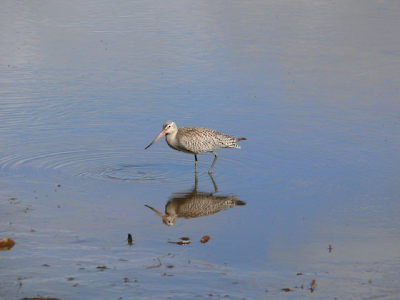
For a good look at shorebirds, sit quietly at a distance and study them through binoculars or a spotting scope. Disturbance from boats, people and dogs is a problem and these sites are best viewed out of the holiday season. Sooty Oystercatchers on the rocks at Frenchman’s Beach   Amity and Flinders Beach  One of the best places to see Straddie’s migratory shorebirds is on the Amity sandbanks at the north-western end of the village where the birds roost at high tide and on the exposed mudflats at low tide. Many thousands of waders and terns are sometimes present in summer. Bar-tailed Godwit and Grey-tailed Tattler are usually very abundant, while Whimbrel and Eastern Curlew are common. From February to August, the Double-banded Plover from New Zealand can be sometimes sighted at Amity but more often at Flinders Beach.  Amity is also a great place to see resident shore and water birds such as bush stone-curlew (especially at dusk in the camp grounds), red-capped ...

Foreign Feathered Friends

Image
It seems that the plight of immigrants and how Australia should welcome - or reject - them has dominated the news for months lately. While all this has been going on North Stradbroke Island has been quietly providing a temporary home to thousands of undocumented and hungry arrivals. Beginning in early September, Amity Point, 18 Mile Swamp and other wetlands across Straddie and throughout Moreton Bay have been providing a temporary refuge to thousands of migratory shorebirds. Shorebirds, also known as waders, are a diverse group of birds commonly seen feeding in intertidal areas or on the fringes of freshwater wetlands. They generally have long legs in relation to their body size, no webbing on their feet and they do not swim. But they can certainly fly! Bar Tailed Godwit on Home Beach. Most of the migrants spend the months of June and July on their breeding grounds in the northern parts of Siberia, Alaska, China and Mongolia. They breed in areas where melting snow brings mass...

The Eighteen Mile Swamp

Image
Swamps fringe the Northern, Eastern and Southern shores of North Stradbroke Island. The Eighteen Mile Swamp, a great trough in the sand lying seaward of the huge dunes of the main sand mass is kept full of fresh water by seepage from the sand mass rather than surface run off. Straddie is the southernmost high dune sand mass in Australia and the second–largest sand island in the world after the World Heritage Listed Fraser Island. This swamp teems with life and interest and is so special that it is included within the Moreton Bay RAMSAR site, recognised as one of the world’s premier wetlands. It is in fact the longest wetland of its type in the world. Eighteen Mile Swamp It is only this year that it has finally been given the highest form of regulatory protection available in Queensland by being declared National Park. The park has been named NAREE BUDJONG DJARA  by indigenous people on the island who are engaged in its joint management with the state. This level of protection...